
MusicMaster Blog
There’s No Place Like Home Publicado por Webmaster en octubre 27th, 2014
The MusicMaster team joined hundreds of fellow Wisconsin broadcast professionals at the 58th Annual Wisconsin Broadcasters Association Clinic, October 21-23 at the Middleton Marriott Conference Center.
MusicMaster was created 31 years ago in The Badger State by A-Ware President, Joe Knapp, and maintains our worldwide headquarters in the western Milwaukee suburb of Brookfield, WI.
MusicMaster shared booth space on the exhibit floor and provided client demonstrations with automation partners ENCO and Wide Orbit.
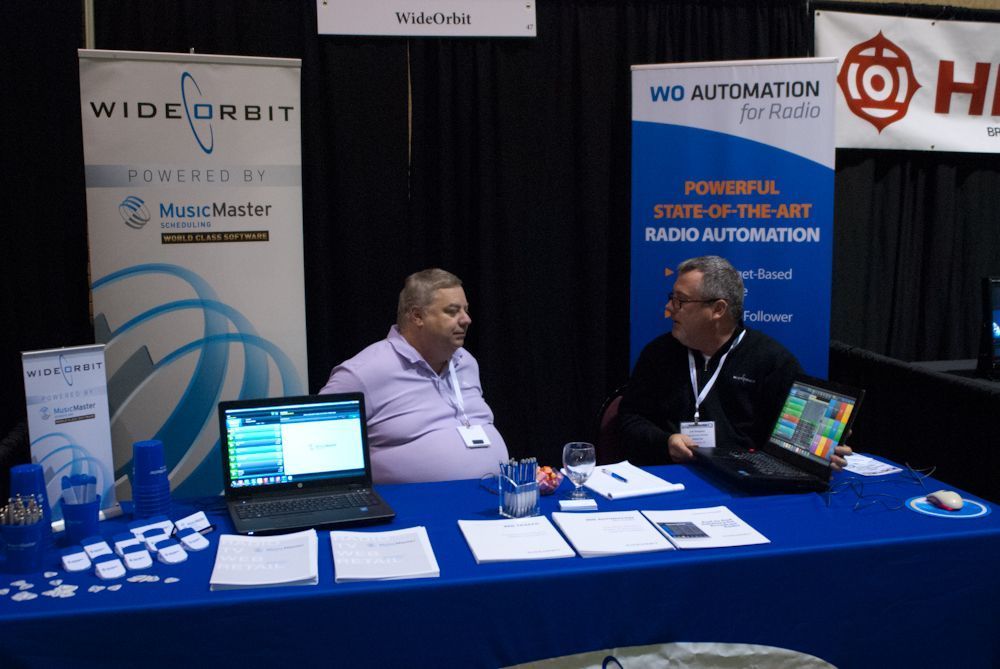
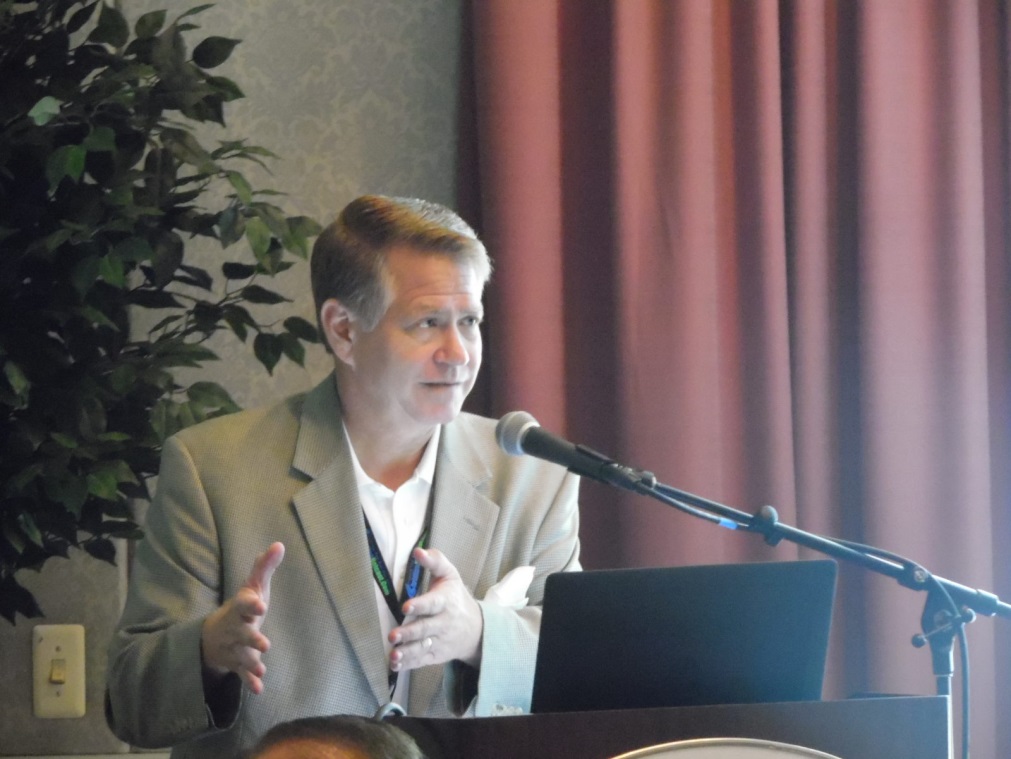
MusicMaster President Joe Knapp looks on as Wide Orbit Regional Sales Manager Jeff Dempsey shares his latest automation presentation.
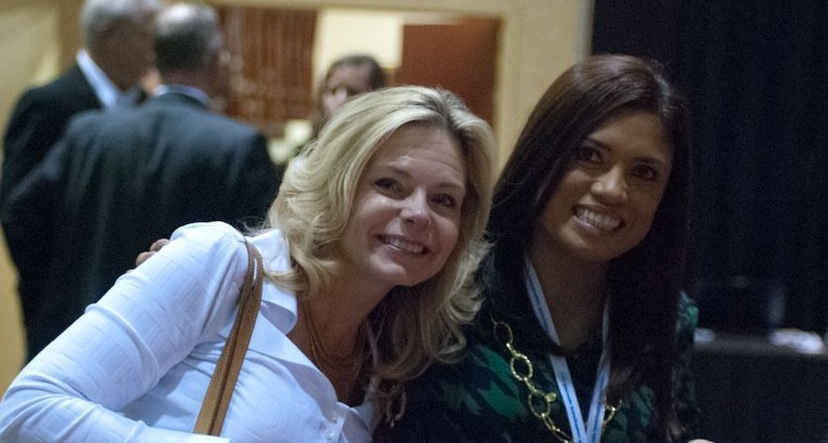
WBA President & CEO Michelle Vetterkind shares a moment during the busy agenda with WBA board member Lupita Montoto. Lupita is also the station manager for Midwest Family Madison station “La Movida” 1480.

ENCO Sales and Marketing Rep Samantha Matheson and MusicMaster Sales and Support Director Shane Finch visit with a potential Wisconsin client.
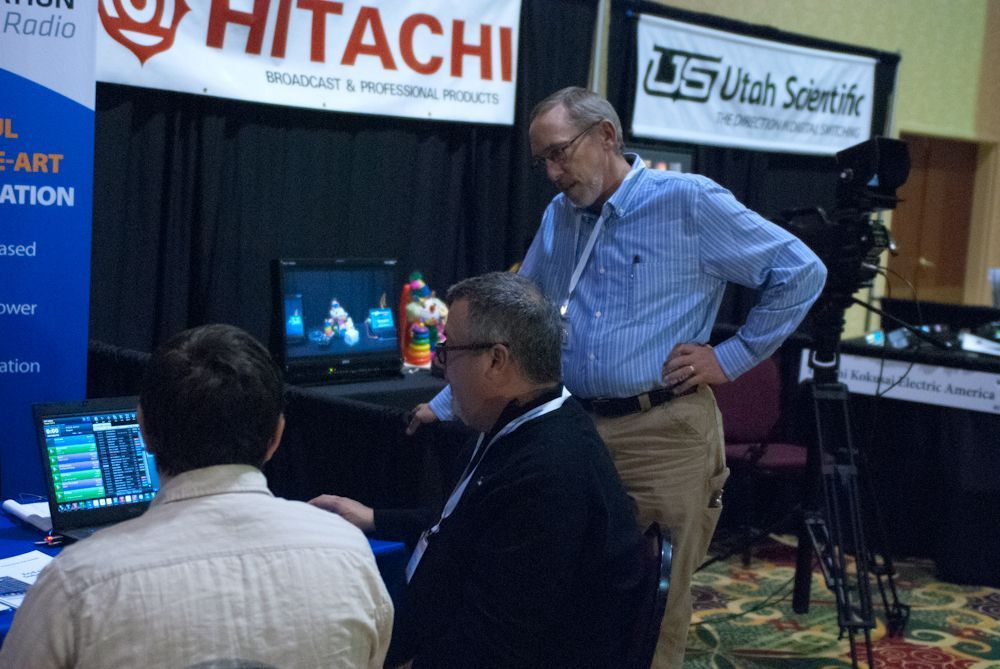
Wide Orbit Regional Sales Manager Jeff Dempsey and MusicMaster Senior Technical Consultant Jeff Schroeder show the automation interface now employed by thousands of radio stations worldwide.
The Art of Special Sets (Part Four) Publicado por Webmaster en octubre 27th, 2014
By Paul Ziino
We’ve learned a lot so far: how to schedule a special set to make a two-fer in part one, how to create and use kickoff categories for those two-fers in part two, and how to use special sets to auto-schedule artist and title IDs in part three. In this, the final chapter of the series, we’ll discuss how to schedule special sets based on other special set positions. (más…)
The Art of Special Sets (Part Three) Publicado por Webmaster en octubre 20th, 2014
By Paul Ziino
We’ve discussed the art of scheduling Two-Fers over the first two parts of this series. Today we’re going to discuss how to use Special Sets to schedule Artist and Title intros. (más…)
Central Canada Broadcast Engineers Publicado por Webmaster en octubre 19th, 2014
MusicMaster joined hundreds of enthusiastic professionals at the 63rd Annual Central Canadian Broadcast Engineers Career Development Conference, September 25 – 28 in Barrie, Ontario.
MusicMaster VP/CTO Scott Wirt shared the latest on the MusicMaster menu of scheduling
options. Our team joined Wide Orbit for two nights of spirited conversation and learning in our hospitality suite.
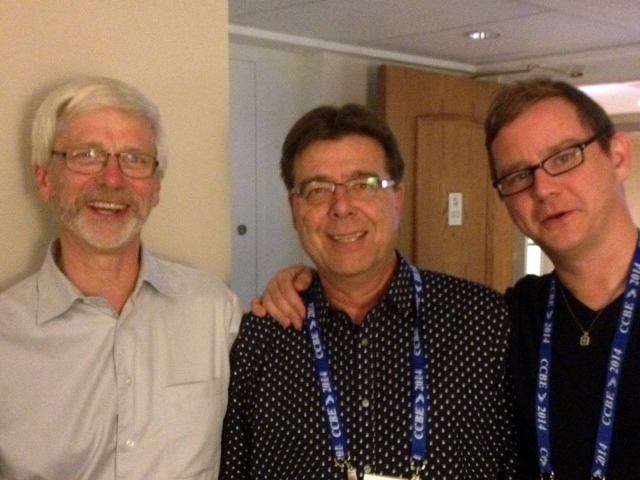
MusicMaster Canadian representative Malcolm Sinclair of Sinclair Media (pictured center) and MusicMaster Sales Coordinator Drew Bennett (pictured right) congratulate Bell Media/Toronto Engineer Wally Lennox (pictured left) on his Lifetime Achievement Award.
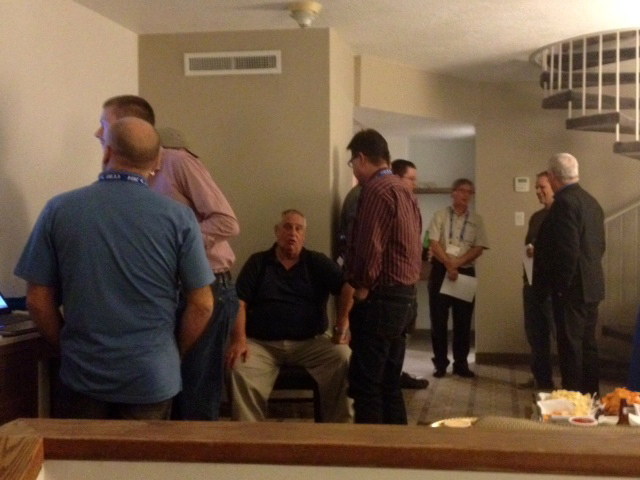
Friends and broadcast colleagues join the MusicMaster staff for casual conversation in our Wide Orbit hospitality suite.

MusicMaster Sales Coordinator (pictured right) provides personal consultation to a CCBE member.
September Genius Days Publicado por Webmaster en octubre 17th, 2014
On September 15th the MusicMaster crew went on a three day trip visiting customers and hosting Genius Days. President/CEO Joe Knapp, Marketing Director Melanie Ross, MusicMaster Support Coordinator Paul Ziino, and the Unconsultant Keith Hill visited with the team at Entercom-Milwaukee on September 15th. They discussed advanced scheduling concepts with Brian Kelly, Jojo Martinez, Leigh McNabb, and other members of the team at WXSS and WMYX as well as David Moore from Entercom-Madison.
On the 16th it was a day-long visit with Midwest Communications in Green Bay, WI. Program and Music Directors from every Midwest Communications market were on-hand for the extensive Q&A session. We met with Duke Wright, Jeff McCarthy, Corey Carter, Dan Stone, Jason Hillery, Mark Fleischer, Craig Holgate, Scott Hanson, PJ Lacey, Derek Moran, Greg Atoms, Tom Gjerdrum, Andy Harris, Cade, Shawn Powers, Jeff Frieders, Jay Morris, Ken Lanphear, Shane Cox, Randy Chambers, Otis Day, Amber Lee, Doc Murphy, Steve Cannon, Mojo, Jonathan Hensler, JT, Karla Cantrell, Barbara Bridges, Ron Allen, Hurricane Shane, and Rusty James. The day ended with a cocktail party and taco bar for all!
And September 18th the crew stopped in at Minnesota Public Radio to meet with folks from Classical 24, KSJN, and The Current including Doug Rowe, Rex Levang, David Safar, Jeff Esworthy, Lindsay Kimball, Suzanne Schaffer, and Steve Nelson. Lots of good questions came up which stimulated several hours of discussion. We learned a lot about how MPR does what they do and made some suggestions for how to improve it as well as some ideas on how to enhance MusicMaster.
After those three sessions the MusicMaster team went home with pages of notes and tons of new ideas. Look for those and many other new features in upcoming service releases and versions of MusicMaster!
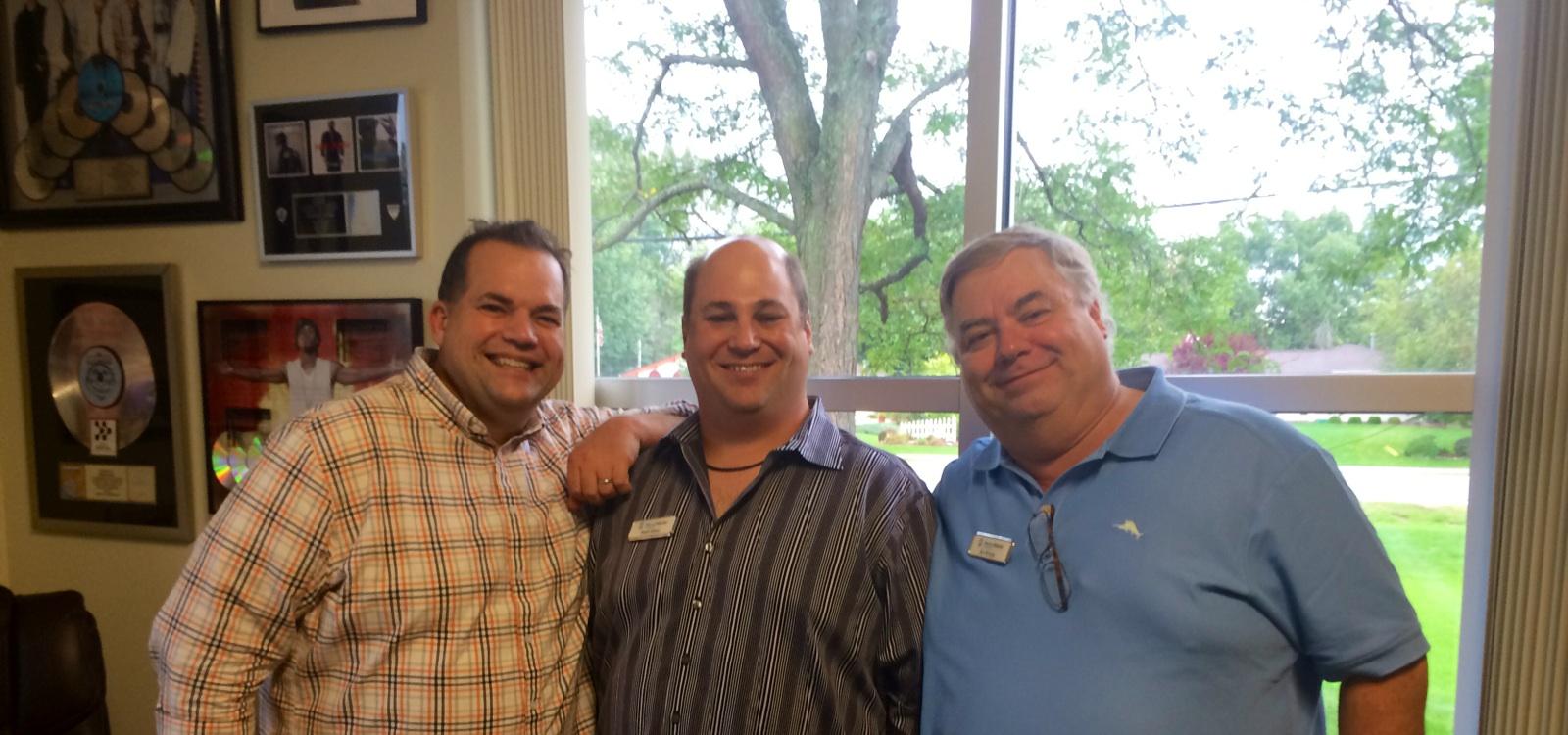
Brian Kelly, Paul Ziino and Joe Knapp at Entercom Genius Days.
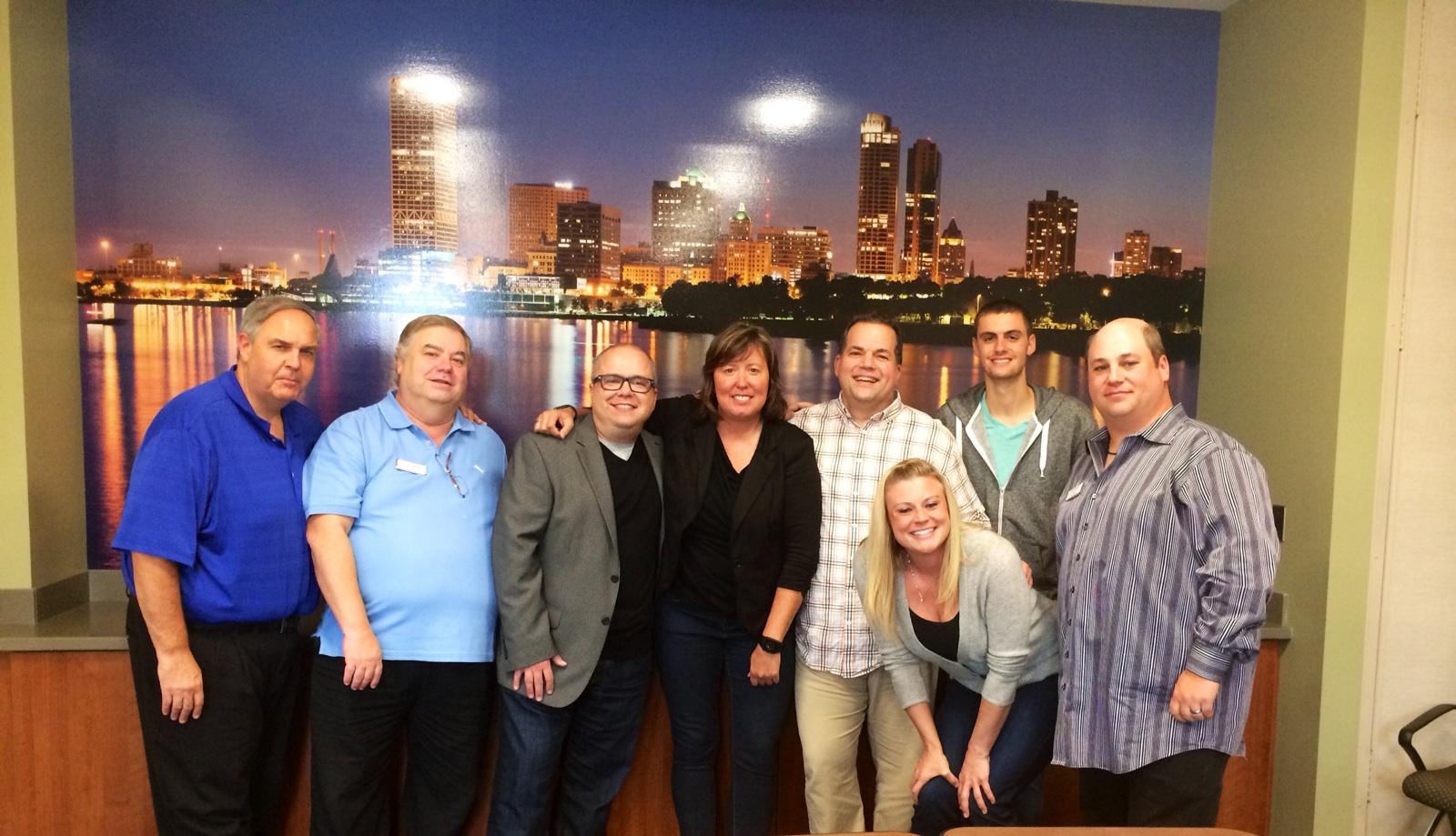
Group shot at Entercom
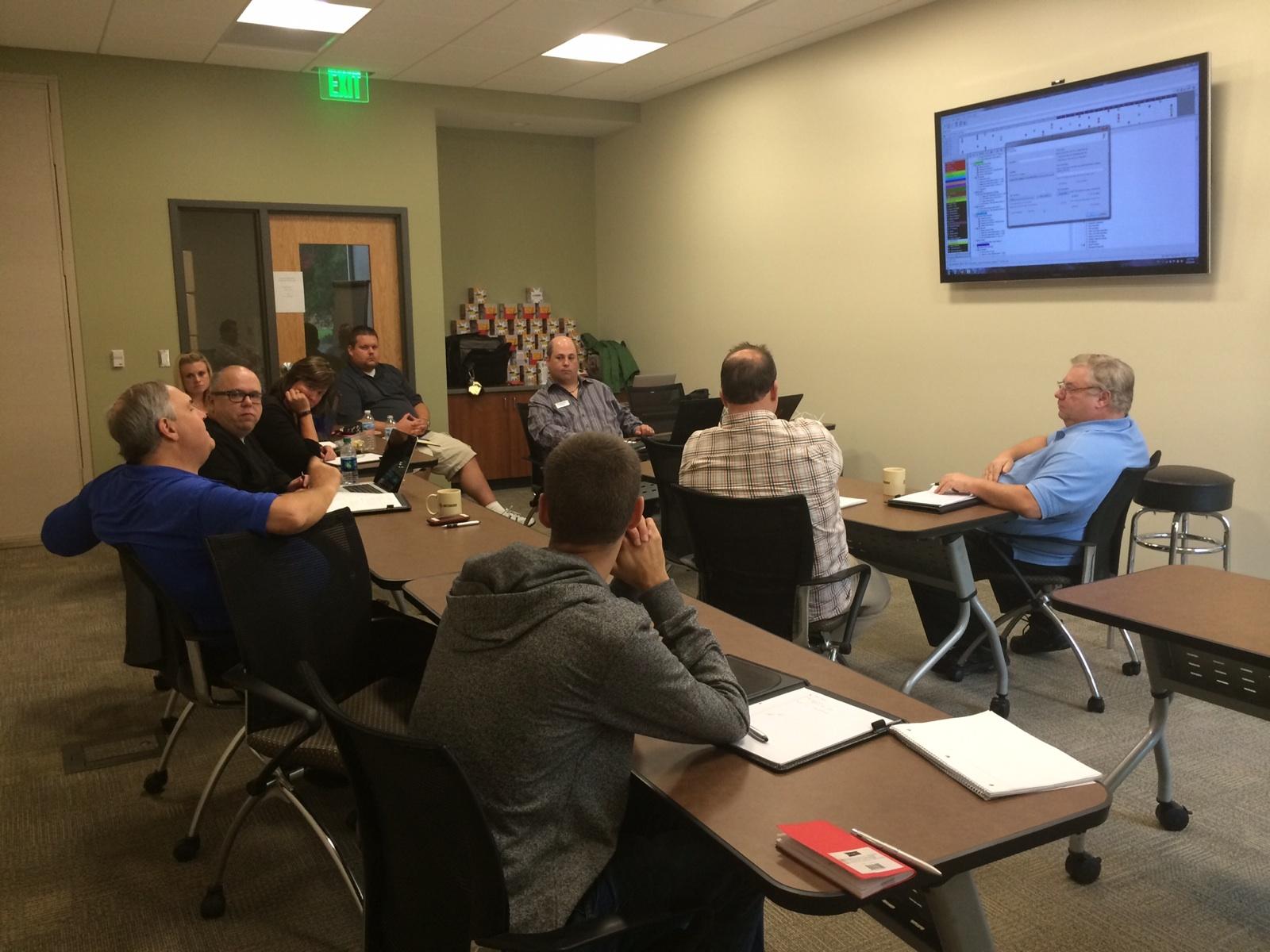
Very interested in what Joe Knapp is saying
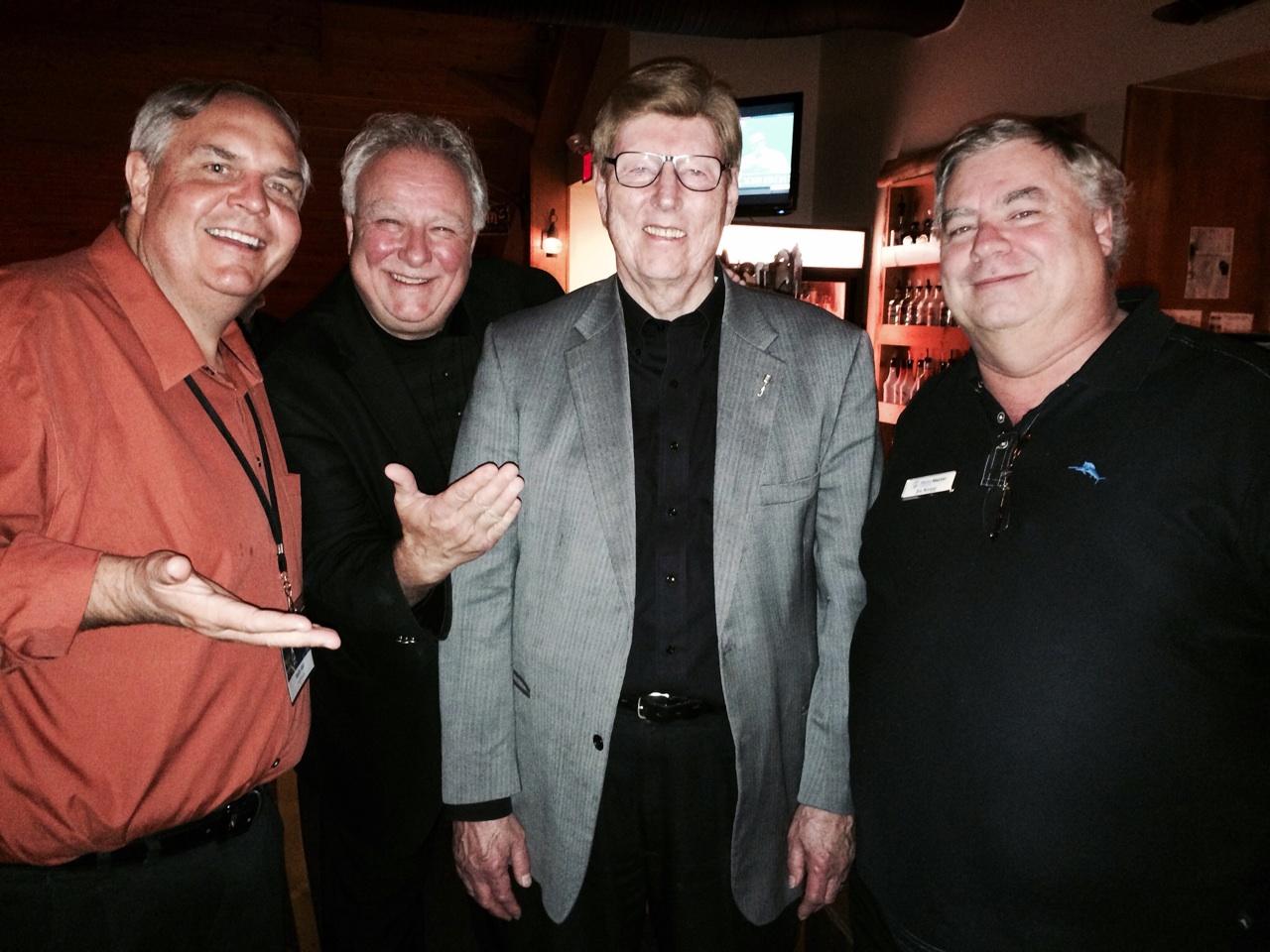
Keith Hill, Jeff McCarthy, Midwest Communications, Duke Wright, Midwest Communications and Joe Knapp, MusicMaster
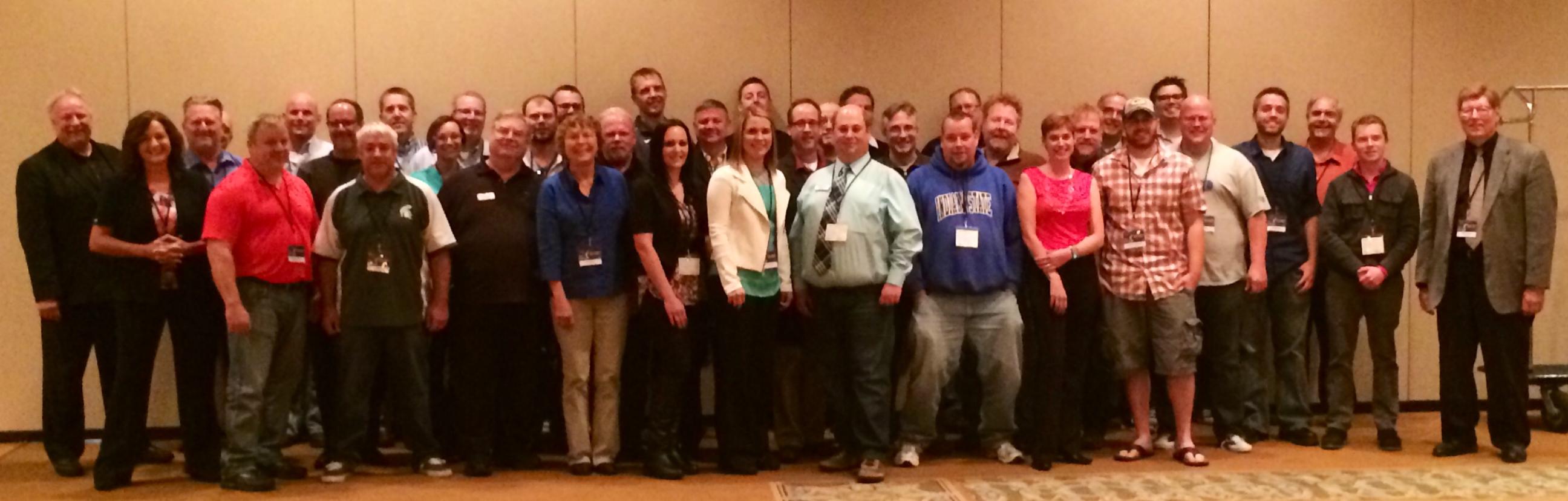
Genius Day Group from Midwest Communications
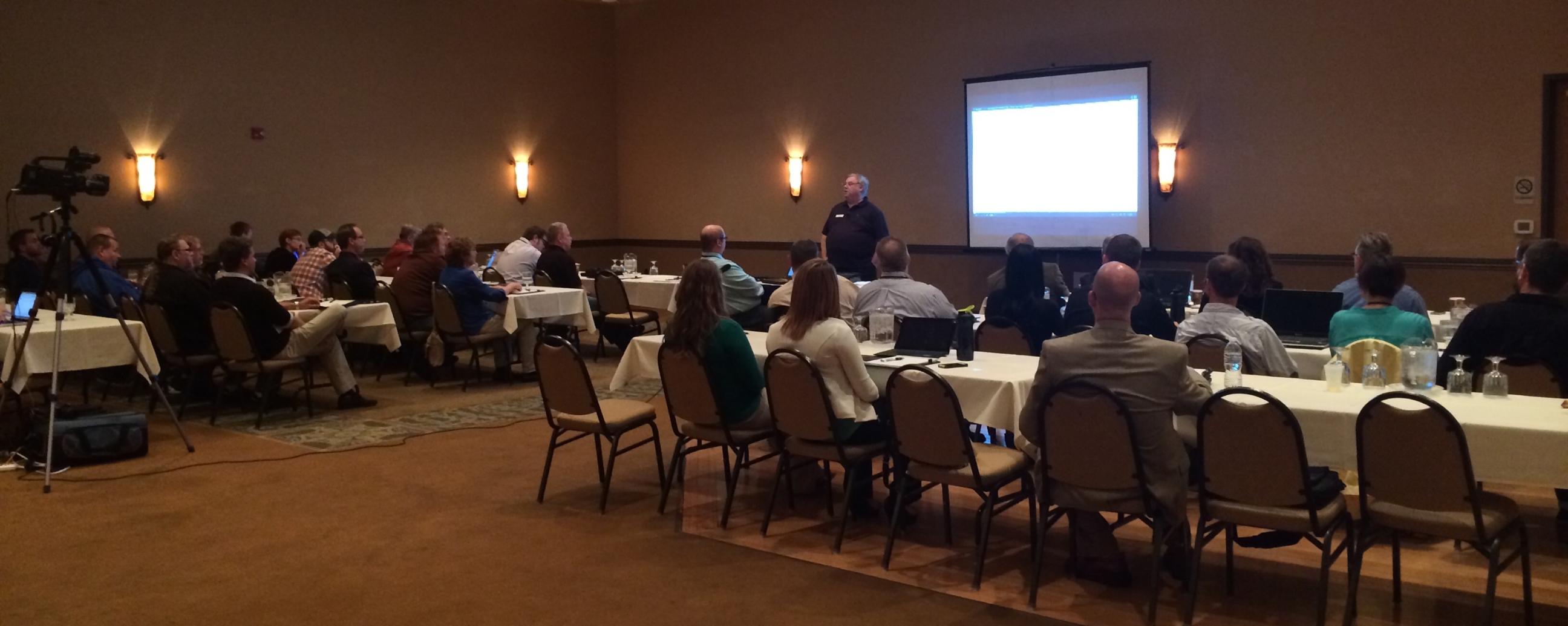
Genius group at Midwest Communications listening to Joe Knapp, MusicMaster

Brian Kelly is a Genius MusicMaster User with Joe Knapp, MusicMaster
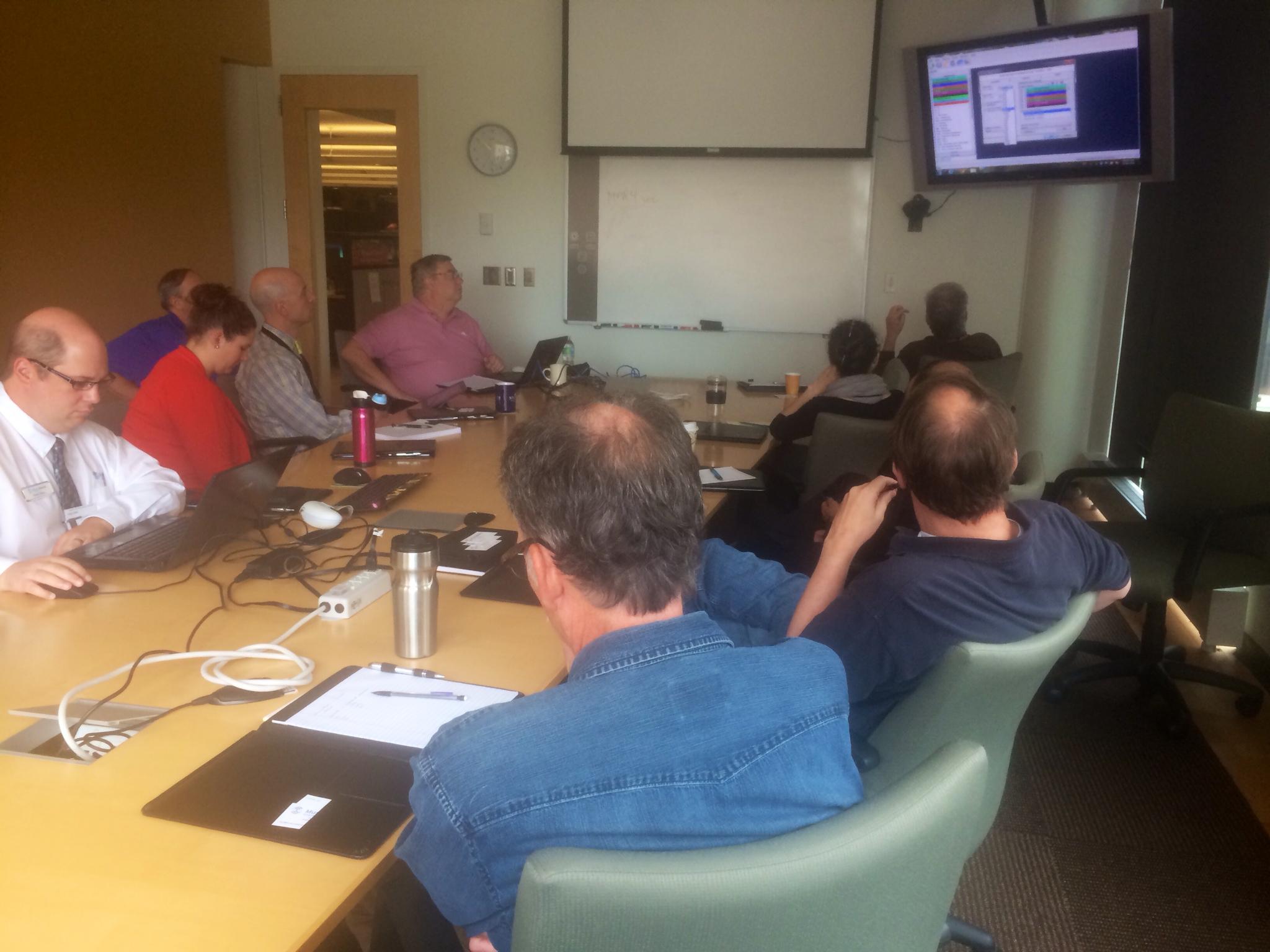
Minnesota Public Radio
MusicMaster in Boston Publicado por Webmaster en octubre 16th, 2014
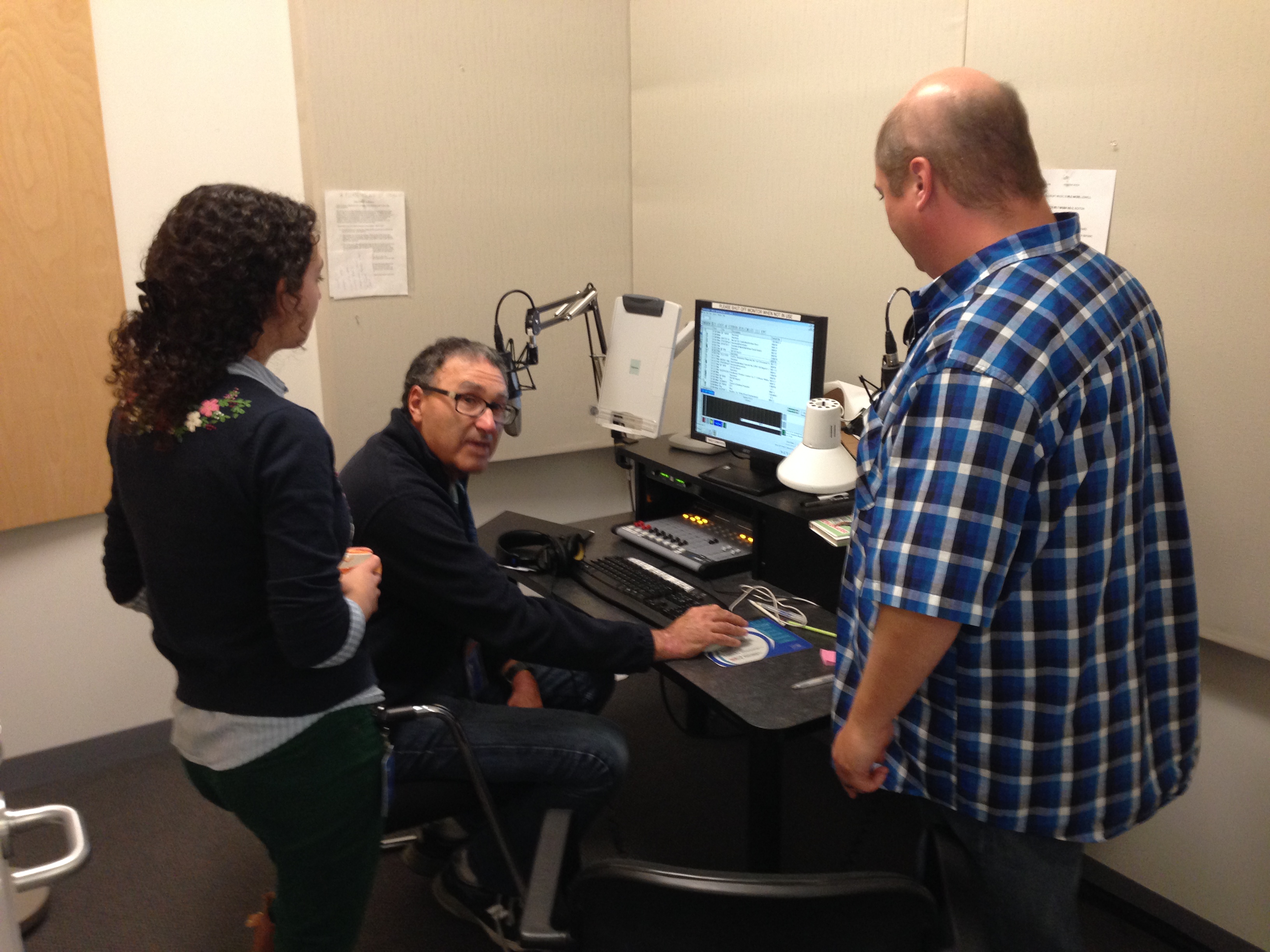
Paul Ziino was on site at WCRB and WGBH in Boston for two days of training and work with Jon Frank and Rani Schloss. In addition to learning a bunch of MusicMaster tricks they also completed the full integration of MusicMaster with their Audio Vault. Many happy people rejoiced during the staff meeting prior to Paul’s departure.
Below we see Rani, Jon, and Paul testing out the MusicMaster integration with Audio Vault.
The Art of Special Sets (Part Two) Publicado por Webmaster en octubre 13th, 2014
By Paul Ziino
Wouldn’t it be great if MusicMaster knew which artists were eligible for two-fers instead of just hoping to match on an artist with multiple songs in the library? This can be done! Here’s how to build a Kickoff Category in MusicMaster. (más…)
Issue #107 Publicado por Webmaster en octubre 8th, 2014
Welcome to MusicMaster
RADIO STUDIO 5 – Atessa, Italy; 5+ TV – Zurich, Switzerland; NRJ Finland Oy, Radio Nostalgia Finland – Helsinki, Finland;
WMED-FM, WMEA-FM, WMEH-FM, WMEW-FM, WMEM-FM, WMEF-FM – Lewiston, ME; KUCB-FM – Unalaska, AK; CIXX-FM – London, ON; WEAA-FM – Baltimore, MD
PRPD Recap
Jill Sorenson and Aaron Taylor visited the great city of Portland, Oregon for the annual Public Radio Program Directors (PRPD) Conference at the beginning of September. They had an opportunity to visit with many clients discussing how MusicMaster makes their scheduling a breeze. They still squeezed in time to wander the city block known as Powell’s Bookstore and drool over Voodoo Dougnuts. Really, click on the link if you’ve never seen a Voodoo doughnut! Kudos to host organization Oregon Public Radio (a MusicMaster user) for their hospitality. We look forward to visiting Pittsburgh where the 2015 conference will be held. Until then, a few photos of our MusicMaster friends:
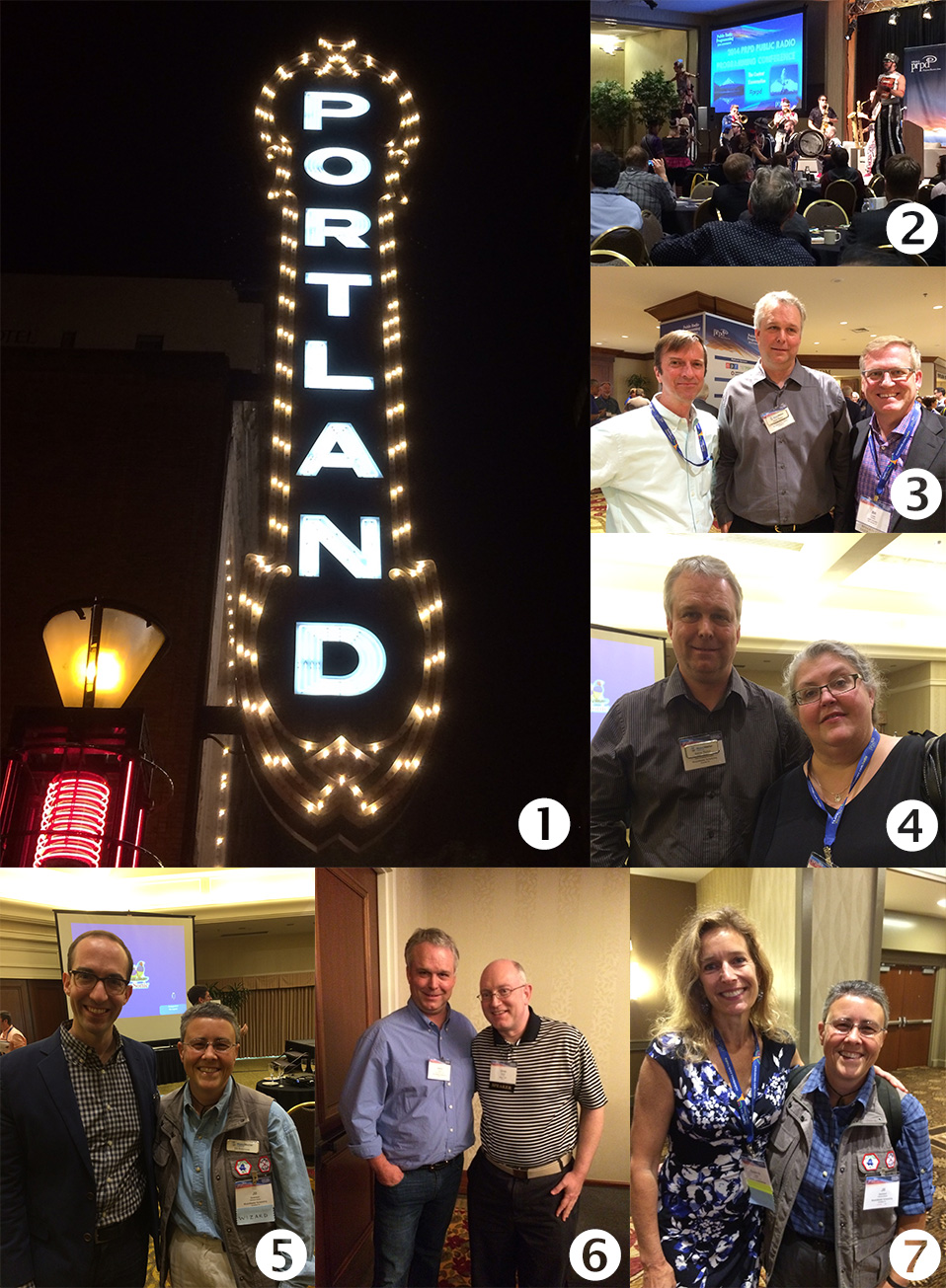 1 – Schnitzer Theatre
2 – The PRPD opened with the March Forth Marching Band
3 – Rik Malone (KFDC), Aaron Taylor, Bill Lueth (KUSC and PRPD Board Member)
4 – Aaron Taylor and Cheryl Dring (WDPR)
5 – Matt Abramovitz (WNYC) and Jill Sorenson
6 – Aaron Taylor and Chris Wienk (WMHT)
7 – Suzanne Bona (Sunday Baroque) and Jill Sorenson
NAB Radio Show
Three days of MusicMaster education, entertainment and enlightenment enhanced the fall Radio Show at the Indiana Convention Center and Downtown Indy Marriott in the middle of September.
MusicMaster happily consorted with automation partners ENCO, OMT and Wide Orbit on the exhibit hall trade floor, and hosted a festive hospitality evening for clients and chums.
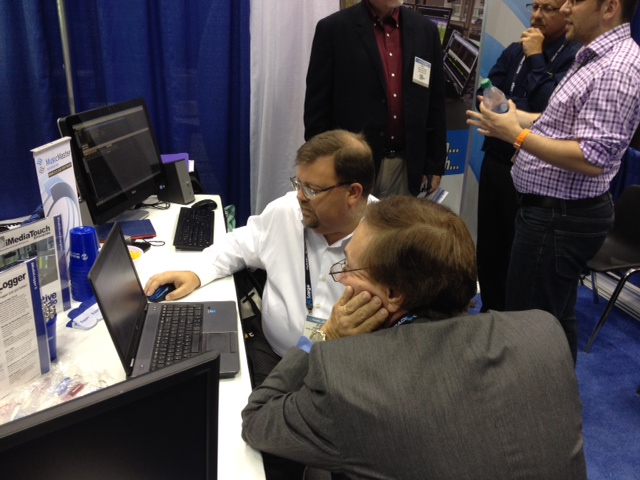
MusicMaster Scheduling Consultant Jerry Butler (below left) demonstrates Optimum Goal Scheduling to a potential radio programming partner.
MusicMaster Founder and President, Joe Knapp (below right) visits the ENCO booth and meets a fellow music enthusiast, Jerry Phillips (below left). Jerry is the owner of Big River Broadcasting in Florence, Alabama, and father to the lovely Halley-Phillips Yeager of Big River. Oh, and he’s also son of legendary Sun Records Founder Sam Phillips.

A stormy summer night in Indy couldn’t keep the revelers away from the jammed MusicMaster hospitality suite at the Downtown Indianapolis Marriott. The highlight was sharing some time with radio legend Scott Shannon of CBS-FM and Scott Shannon’s True Oldies (below center). Radio’s best friend Art Vuolo (below far right) had created a video montage of Scott’s long radio history.
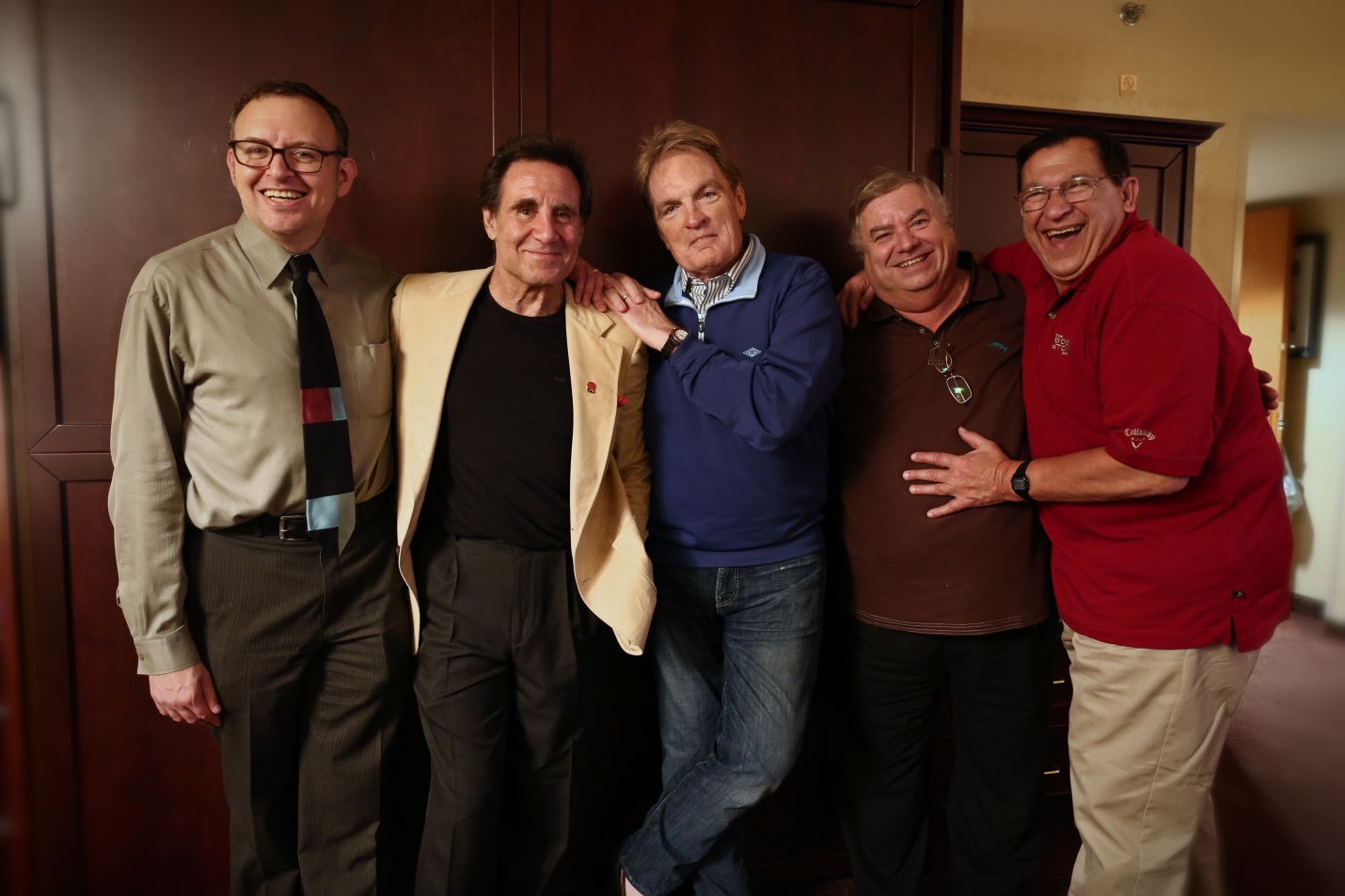
This amazing moment, captured by MusicMaster VP/Media Laurie Knapp, includes (left to right) Sean Ross of Ross On Radio, Steve Resnik of RAMP, Shannon, MusicMaster Founder Joe Knapp, and Art Vuolo.
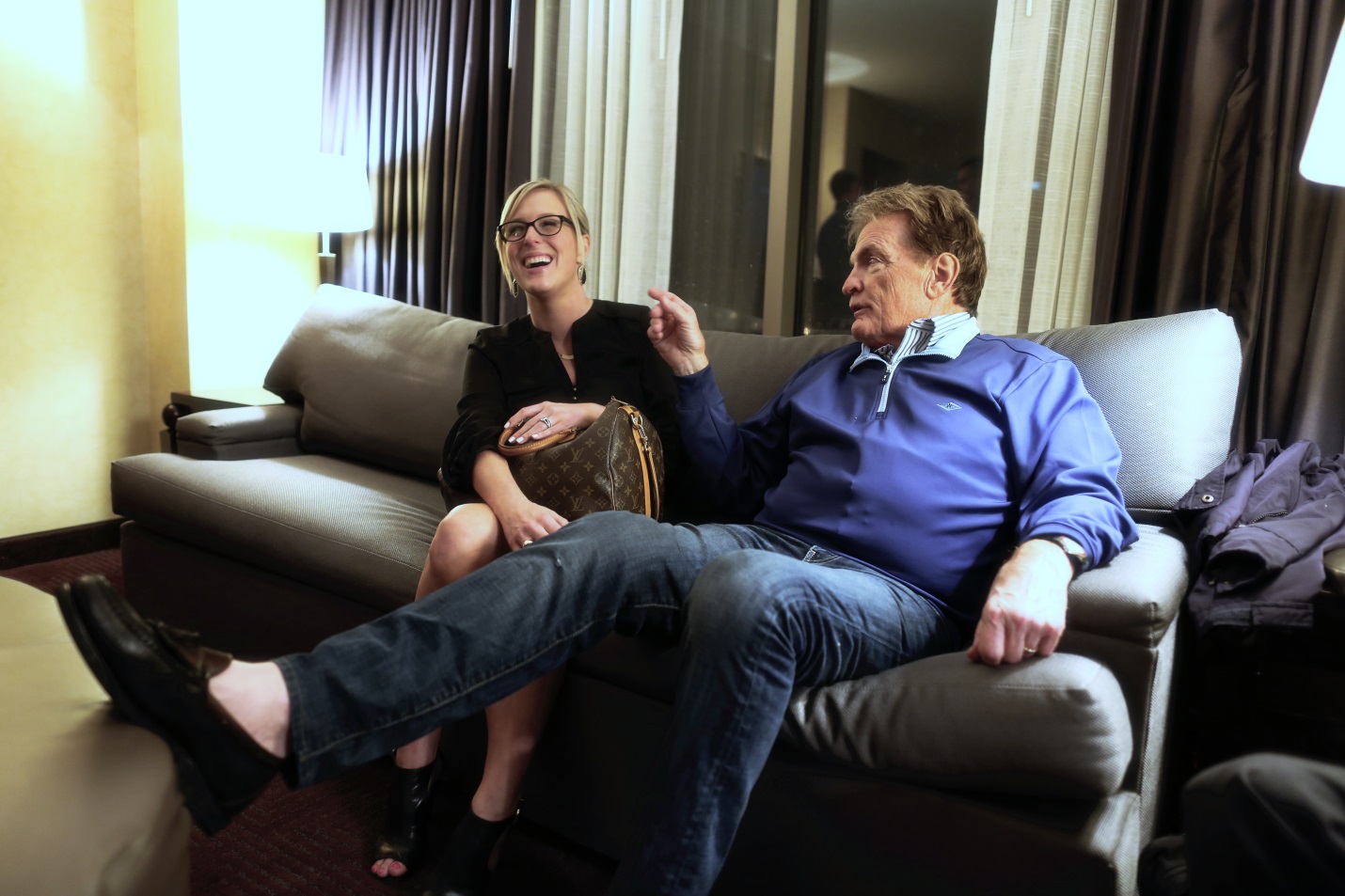
 Heather Boethin, Local Sales Manager and Digital Resource Sales Manager of Cox Media, Tulsa (below left) shares a laugh with Scott Shannon of CBS-FM (below right).
Momentum – Christian Music Broadcasters
Christian music programmers, speakers and artists from around the world gathered in Central Florida’s “City Beautiful” for 3 solid days of connecting God’s Word with God’s people in early September in Orlando, Florida.
MusicMaster’s Marianne Burkett, Jerry Butler and Shane Finch joined hundreds of participants eager to engage the culture with positive music and a message of hope.
On Friday, September 5, MusicMaster Sales and Support Director Shane Finch (below) presented “The Artistry and Science of Music Scheduling” with Christian’s cutting edge music programmers.
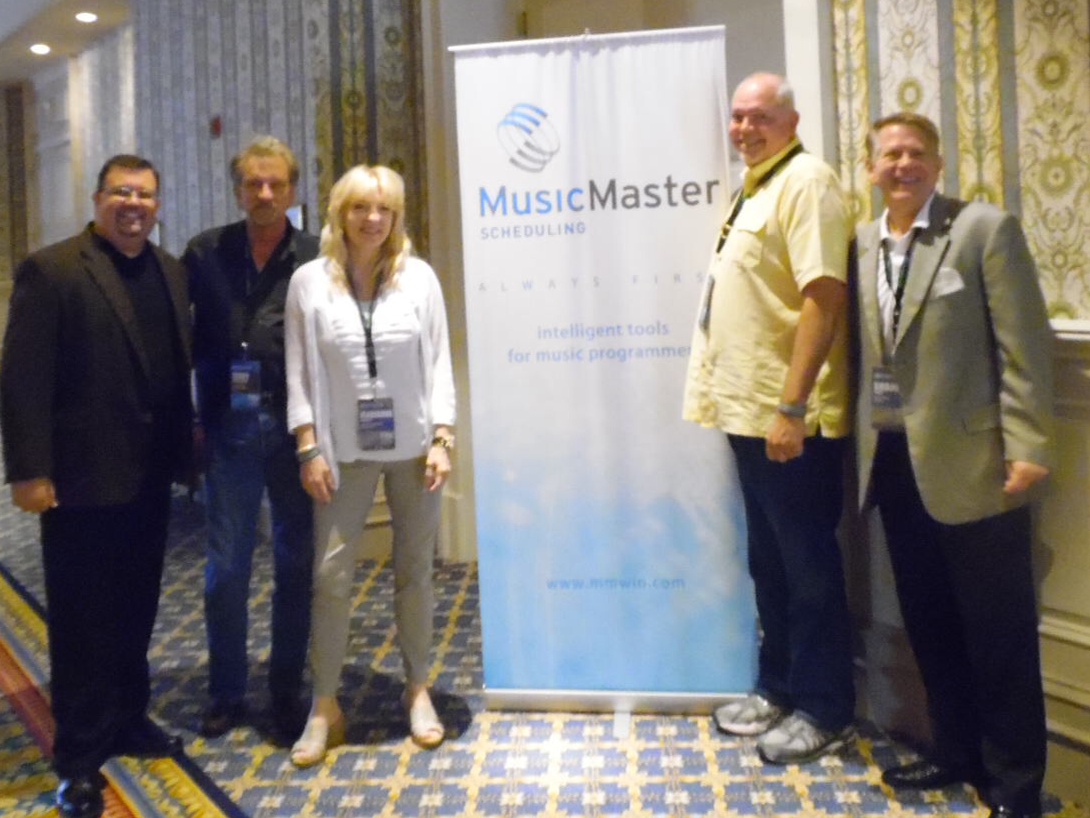
 “Momentum” presents many opportunities to socialize with old friends and MusicMaster clients. Pictured below left to right are MusicMaster Scheduling Consultant Jerry Butler, Actor and VSR Record Executive Terry Silverthorn, MusicMaster Scheduling Consultant Marianne Burkett, JOY-FM General Manager Jeff MacFarlane, MusicMaster Sales Director Shane Finch.
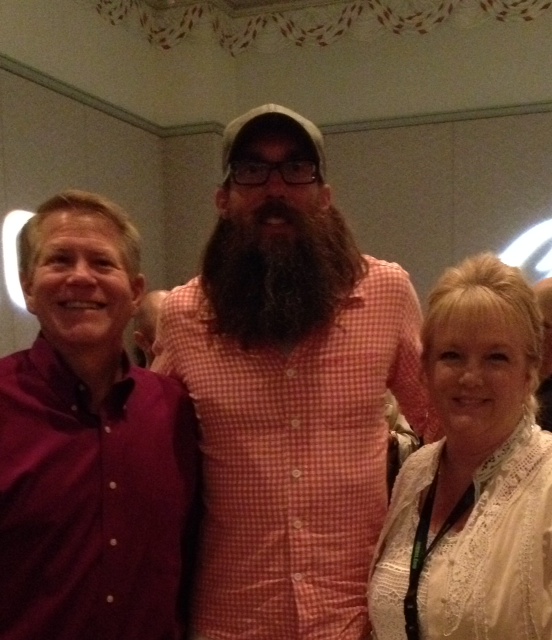
 Christian music superstar David Crowder (below center) shares a “Momentum” moment with MusicMaster’s Shane Finch (below left) and wife Jana Finch (below right).
MusicMaster @ IBC in Amsterdam
IBC, the largest multimedia show in Europe, was held between September 12-17. MusicMaster could be seen at the different stands of our partners like Enco, Scisys, David Systems, AVC and Netia. Kevin Hopkins, Andreas Wissmeyer and Rainer Eichhorn of ON AIR Digital were there to show MusicMaster and meet a lot of our existing clients. Also Jean Claude Frick, Mathieu Habegger and Michael Buholzer of Swiss Media Partners were also there to help on the MusicMaster side.
Like every year, it was a great event and we want to thank all our users and partners who helped and came to see us, shake hands and discuss the future of our industry. It was a pleasure! See y’all next year!
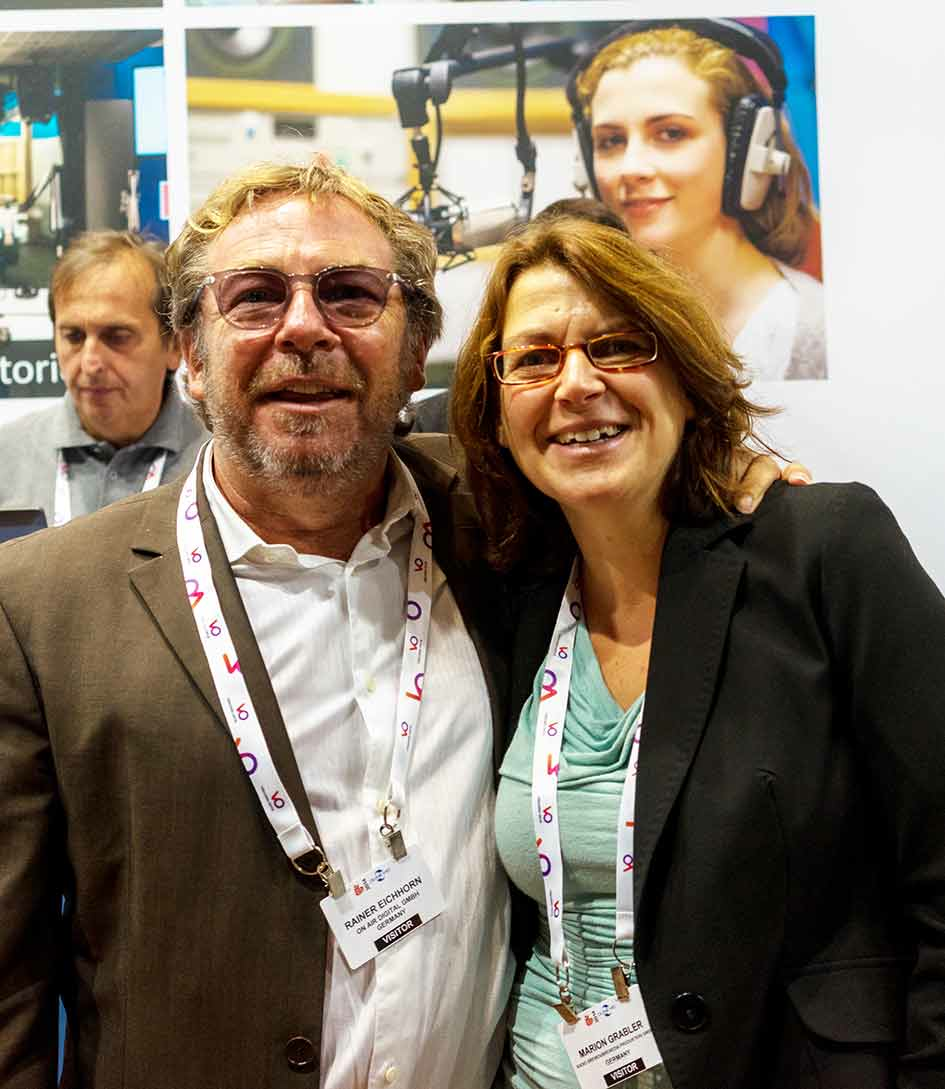
The lovely Marion Grabler of Bremmedia and Rainer Eichhorn at the David Systems booth
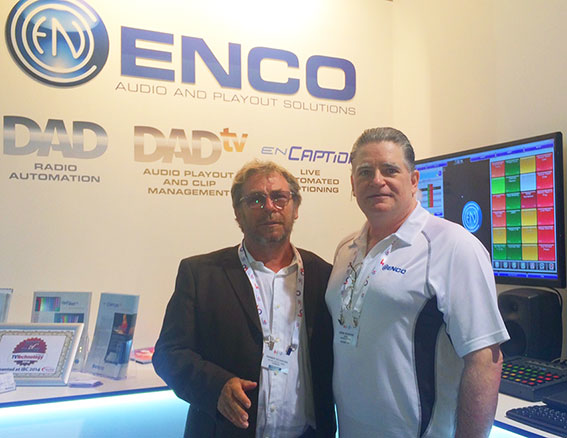
Rainer Eichhorn and Gene Novacek of Enco are happy about the deep integration with MusicMaster

The guys are all right: Michael Buholzer, Jean Claude Frick, Rainer Eichhorn, Greg Podsiadlo, Mathieu Habegger and Andi Wissmeyer at the end of a long day on the convention floor

The great looking MusicMaster direct search window inside the Netia system. This gives users perfect song replacement access with full Rule functionality from within the the play out software. Very cool!
MusicMaster in Boston
Paul Ziino was on site at WCRB and WGBH in Boston for two days of training and work with Jon Frank and Rani Schloss. In addition to learning a bunch of MusicMaster tricks they also completed the full integration of MusicMaster with their Audio Vault. Many happy people rejoiced during the staff meeting prior to Paul’s departure.
Below we see Rani, Jon, and Paul testing out the MusicMaster integration with Audio Vault.
September Genius Days
On September 15th the MusicMaster crew went on a three day trip visiting customers and hosting Genius Days. President/CEO Joe Knapp, Marketing Director Melanie Ross, MusicMaster Support Coordinator Paul Ziino, and the Unconsultant Keith Hill visited with the team at Entercom-Milwaukee on September 15th. They discussed advanced scheduling concepts with Brian Kelly, Jojo Martinez, Leigh McNabb, and other members of the team at WXSS and WMYX as well as David Moore from Entercom-Madison.
On the 16th it was a day-long visit with Midwest Communications in Green Bay, WI. Program and Music Directors from every Midwest Communications market were on-hand for the extensive Q&A session. We met with Duke Wright, Jeff McCarthy, Corey Carter, Dan Stone, Jason Hillery, Mark Fleischer, Craig Holgate, Scott Hanson, PJ Lacey, Derek Moran, Greg Atoms, Tom Gjerdrum, Andy Harris, Cade, Shawn Powers, Jeff Frieders, Jay Morris, Ken Lanphear, Shane Cox, Randy Chambers, Otis Day, Amber Lee, Doc Murphy, Steve Cannon, Mojo, Jonathan Hensler, JT, Karla Cantrell, Barbara Bridges, Ron Allen, Hurricane Shane, and Rusty James. The day ended with a cocktail party and taco bar for all!
And September 18th the crew stopped in at Minnesota Public Radio to meet with folks from Classical 24, KSJN, and The Current including Doug Rowe, Rex Levang, David Safar, Jeff Esworthy, Lindsay Kimball, Suzanne Schaffer, and Steve Nelson. Lots of good questions came up which stimulated several hours of discussion. We learned a lot about how MPR does what they do and made some suggestions for how to improve it as well as some ideas on how to enhance MusicMaster.
After those three sessions the MusicMaster team went home with pages of notes and tons of new ideas. Look for those and many other new features in upcoming service releases and versions of MusicMaster!
Brian Kelly, Paul Ziino and Joe Knapp at Entercom Genius Days.
Group shot at Entercom
Very interested in what Joe Knapp is saying
Keith Hill, Jeff McCarthy, Midwest Communications, Duke Wright, Midwest Communications and Joe Knapp, MusicMaster
Genius Day Group from Midwest Communications
Genius group at Midwest Communications listening to Joe Knapp, MusicMaster
Brian Kelly is a Genius MusicMaster User with Joe Knapp, MusicMaster
Minnesota Public Radio
Central Canada Broadcast Engineers
MusicMaster joined hundreds of enthusiastic professionals at the 63rd Annual Central Canadian Broadcast Engineers Career Development Conference, September 25 – 28 in Barrie, Ontario.
MusicMaster VP/CTO Scott Wirt shared the latest on the MusicMaster menu of scheduling
options. Our team joined Wide Orbit for two nights of spirited conversation and learning in our hospitality suite.
MusicMaster Canadian representative Malcolm Sinclair of Sinclair Media (pictured center) and MusicMaster Sales Coordinator Drew Bennett (pictured right) congratulate Bell Media/Toronto Engineer Wally Lennox (pictured left) on his Lifetime Achievement Award.
Friends and broadcast colleagues join the MusicMaster staff for casual conversation in our Wide Orbit hospitality suite.
MusicMaster Sales Coordinator (pictured right) provides personal consultation to a CCBE member.
Focus on Special Sets
You know October means harvest festivals and Halloween. You may even know it’s National Book Month. At MusicMaster, though, it’s Special Sets month. Check out our blog each Monday in October for a four-part series on Special Sets written by Paul Ziino. You’ll learn how to schedule a special set to make a two-fer, how to create and use kickoff categories, how to use special sets to auto-schedule artist and title IDS and how to schedule special sets based upon other special set positions. By the end of the month, you’ll be scaring the competition with what you can do in MusicMaster!
Sean Ross on MusicMaster
 AC and Classic Hits
There was no intention to “push poll” my dentist. But I was seeing him for the second time in a few weeks, and the same song was playing on AC WLTW (Lite FM) New York, Katy Perry’s “Dark Horse.” So I asked, “What do you think about this song on Lite FM?”
“What do you mean?”
I tried to express it as neutrally as possible. “It’s not the kind of song they used to play.”
“Yeah, you’re right,” he said. (Read more.)
Recognizing, Utilizing, And Escaping History
They were subtle, but when the early ‘70s airchecks of Dan Mason and Bob Pittman were played from the stage at Radio Show 2014 in Indianapolis earlier this month, you could hear differences in their influences. (Read more.)
Music Master of the Month
 Peter Meerveld
Music Director
Radio Veronica
Netherlands
“Radio Veronica has worked with MusicMaster after a transition from RCS Selector in 2012. We were the first nationwide radio station in the Netherlands that used MusicMaster and we have no regrets. Instead of all kinds of workarounds that were necessary in Selector, MusicMaster can be completely customized to our needs. Previously, in the rule-tree, you could only give ‘penalty points’ to songs, so not always the best song was selected. The Optimum Goals in MusicMaster fixes that: songs can also have pluses. And we get better results: the distribution of the songs is better and the hard-to-schedule tracks now get the attention they deserve. Every day working with MusicMaster is a celebration. I always try to make the playlists even better and MusicMaster really helps in doing that!”
 Quick Tip: Rule Group Clock Restrictions
Rule Groups allow you to configure rules by certain criteria. Options include when the Rule Group is available for testing, dayparting and even specific songs or categories. Did you know you can also have a Rule Group apply to specific clocks? This can be quite handy for special shows to have a set of rules applied only when the clocks are used. The Clock Restrictions option allows you to specify the individual clocks that will use the rules included in the Rule Group. Of course, MusicMaster is so flexible, we’ll also give you an option to invert that meaning the clocks listed would not be tested. Either way, this option allows you to be very specific about when a Rule Group is applied.
Recent Feature Articles From the MusicMaster Blog
The Consultant Asks… Why MusicMaster?
By Marianne Burkett
I have many clients who also happen to be programming consultants… and the times, they are a changing. Now that MusicMaster is thoroughly saturating the Music Scheduling world – many consultants want to know what the advantages are and what are the differences between MusicMaster and the other Music schedulers on the market.
Just a few examples of major advantages of working with MusicMaster as a consultant. (Read more.)
Making Layout Changes in MusicMaster
By Drew Bennett
One of the most common phone calls we get is how to change a layout. Many times, our customers have been so conditioned to accept the layout they are given in a music scheduler like DOS or other Windows-based software that some of them don’t even know they have the choice of what fields to see or not see on the screen! (Read more.)
Industry Event Calendar
 There are industry events and conventions every month around the world. We always appreciate meeting our customers and finding out how MusicMaster is working for them. If you’re planning on attending any of these events, let us know. We’d love to meet with you if possible.
- October 15-17: Broadcast India Show 2014 – Mumbai, India
- October 16-17: Alaska Broadcasters Association – Anchorage, AK
- October 21-23: Wisconsin Broadcasters Clinic – Madison, WI
- October 26-28: WABE Convention – Edmonton, Alberta

The Art of Special Sets (Part One) Publicado por Webmaster en octubre 6th, 2014
By Paul Ziino
Special Sets can be used for creating “Two-Fers,” scheduling unique imaging ahead of specific songs, and more. In this article we discuss the basics of scheduling Two-Fers. (más…)
Recognizing, Utilizing, And Escaping History Publicado por Webmaster en octubre 2nd, 2014
By Sean Ross
They were subtle, but when the early ‘70s airchecks of Dan Mason and Bob Pittman were played from the stage at Radio Show 2014 in Indianapolis earlier this month, you could hear differences in their influences.
Mason was channeling the tail end of the Bill Drake era of top 40 – big, bold, and “Boss Radio.”
Pittman was a product of Buzz Bennett (whom he acknowledged from the stage), whose “Super-Q” era of top 40 upped the ante, even more high-energy than its predecessor, but also even tighter than Drake. And Drake had been attacked by jocks from a generation previous for his tightness.
Pittman was one of the key PDs in the next iteration of top 40. WNBC New York was one of a handful of AM top 40s that kept the tightness of “Super-Q” but with a far more conversational delivery, a nod to the influence of FM rock radio and its lower-key presentation.
The station that came to call itself “W-NNN-BC” did well enough to push past (and outlast) the legendary WABC, already an odd presentational holdover from the pre-Drake era. By the time WHTZ (Z100) brought Top 40 to FM in New York and sent WNBC looking for another franchise, Pittman was already at MTV (which, ironically, helped foster the top 40 resurgence that made Z100 possible).
The next chapter of WNBC is familiar to anybody who read or saw Private Parts. WNBC, already the home of Don Imus, adds Howard Stern and turns to more personality. Kevin Metheny, who had also programmed a handful of low-key WNBC-like AM top 40s, became Stern’s public foil, but also deserves credit as his co-conspirator. Stern famously mocked “W-NNN-BC,” but by that time, it was one of the few Pittman-isms left.
The clash was more fraternal than generational. Pittman, Metheny and Stern were all around the same age and all influenced by ‘70s rock radio. The PDs and the morning man had just taken vastly different things from it.
If you’ve made your way through all of this radio history, it’s worth mentioning that every so often somebody writes an article or makes a comment on a convention panel that says, basically, “Enough with all this talk about radio history.”
You would think the people making those comments would be 25-year-olds, but they’re almost always radio veterans of the Pittman/Stern generation (and from both camps). New talent has other outlets. They don’t need radio. The 55-year-olds do, and I’ve always felt like some are trying to demonstrate their continued currency by going after the weakest people in the room – hobbyists and those who have been nudged out of radio and have the temerity to be upset about it.
And yet, the battles of 30 years ago are playing themselves out on the air today. Team Howard was winning until the advent of PPM measurement. Today’s tight, low-key radio predates Pittman’s return to radio, but there’s a lot of W-NNN-BC in radio’s present D-NNN-A. The promotional flair of Pittman’s MTV era is visible on iHeart Media’s concert stages. What happens between the records after 10 a.m. is brief and conversational.
And that’s why nobody should be ashamed of knowing or discussing radio history. Those who know radio history know that neither “less talk” nor more personality ultimately saved music on AM. The biggest AM programming problem – too many commercials – was never addressed by AM in a sustained, meaningful way. The technological issue, for most stations, was eventually insurmountable. Today’s equivalent of the AM-to-FM transition is traumatic for broadcasters largely because it’s not an inside job. We don’t own most of the “FM stations” as well. But when we do, we are saddling them with AM spotloads.
Here’s some good news. In the late ‘70s/early ‘80s, the viability of top 40 – not just on AM – was in question as well. The consultant credited with reviving it, Mike Joseph, preceded Bill Drake as a prominent programmer. The “Hot Hits” format he created had elements of Drake (in its brassiness), Bennett (energy level), and Pittman (tightness). WABC, too (jingles). Joseph’s WCAU-FM Philadelphia was as disciplined as any early-‘80s “liner card” radio station, but a lot more entertaining. Playing only currents kept WCAU contemporary. And no 17-year-olds knew they were hearing a throwback.
Being able to draw on 50 years of successfully entertaining and engaging an audience is the thing that broadcasters have in their quiver while newer, better-funded, consumer-press favorites like Apple, Beats Music, and Google continue to sort it out. It is only when you think of broadcasters’ track record as the limit of our offerings that invoking history becomes self-indulgent or a study in denial. Much of radio’s history is useful. None of it is enough.
Ironically, what I am most often nostalgic for is that radio used to offer something new on a regular basis. Great new hit songs every Tuesday. Another new station that galvanizes the business every nine months. Attack radio geeks from the dais if you will, but geekery in general is also about obsession with the new, and it’s a salable commodity these days. But broadcasters are not the ones offering it these days. We need to go back at least long enough to reclaim radio’s self-reinvention. And we need to do it to move forward.
Update:
Shortly after the release of “Private Parts” the movie, Kevin Metheny gave me one of my best Billboard interviews, talking candidly about his tumultuous relationship with Howard Stern at WNBC.
“Did we endeavor to bring Howard into compliance with NBC standards and practices? Yes, we did. Did we drive Howard up a wall? You bet. Did he know that we were going to do it before he agreed to come work for us? Absolutely. Was there ever a sinister insidious plot to force him into compliance with our small-minded criteria that would have stripped his art of all its programming potency? . . . Absolutely not. We had a vested interest in his success,” Metheny told Billboard in 1997.
It was that discussion in part that shaped my above characterization of Metheny, who died Friday Oct. 3, a few days after the above article was posted, as Stern’s co-conspirator, not just his nemesis. Over the next 30 years, Metheny would continue to program both well-tuned music stations in every conceivable format and full-service talk stations, putting him at various times in both the galvanizing personality and “tight-and-right” camps.
The reaction to Metheny’s death confirms that many of those on one side or another are still fighting those battles today. One of the WGN Chicago personalities who clashed with Metheny during his tenure opened up the phone lines on Saturday to ask if it was sometimes appropriate to speak ill of the dead. According to reports, Stern mustered appropriate sympathy for Metheny and his family before turning more critical.
Even during Metheny’s lifetime, I felt bad that Stern’s public derision, in “Private Parts” and elsewhere, was allowed to become such a part of the public record on a non-celebrity’s life. I’d prefer the many positive reminiscences on Metheny’s facebook page to stand as the definitive public record. What emerges is that if you respected the art/science mix of radio programming, Metheny respected you and the feeling was usually mutual. Stern just happened to be in another business.
And now it really is time for broadcasters to move on from the battles of 1983. It is dismaying that a 25-year-old doesn’t want the airwaves bad enough to fight for them, but perhaps there’s just no need to grapple over custody of an infinite dial. Sirius XM, Stern’s current home, proves that with its wide range of offerings – mainstream and niche. Any appropriate battle for broadcasters is, at this moment, with the outside world.